

Safeguard on social
Every post we have published on our social profiles, newest first, with the copy exactly as posted. Each card links to the original post.
Posts on YouTube
RSS feed YouTubeVideo
Day one on a new team. Sam installs one extension, signs in, and a warning shows up on a package she didn't choose. Mira and Cal walk through her first ten minutes with Safeguard in the editor and in the chat window: install the VS Code or JetBrains extension, sign in with the d…
Read the full postHide the full post
Day one on a new team. Sam installs one extension, signs in, and a warning shows up on a package she didn't choose. Mira and Cal walk through her first ten minutes with Safeguard in the editor and in the chat window: install the VS Code or JetBrains extension, sign in with the device flow, pick a remediation strategy, apply one fix, read the diff, and hand the pull request to a teammate. Then they connect Claude or ChatGPT to Safeguard's hosted MCP server and see what a fresh workspace can and cannot do. In the news, three October stories about things that ran before a person looked: a malicious LiteLLM release on PyPI (JFrog, 21 Oct; LiteLLM's own account, 23 Oct), a planted AGENTS.md that led Codex to try installing a malicious package (Forever Security, 25 Oct), and an npm worm that armed GitHub repositories with startup hooks for Claude, Cursor and VS Code (JFrog, 26 Oct). Under the hood, the inline Package Firewall check for typosquatting, dependency confusion and malicious package names, why a hosted MCP server means there is no package to install, and what to ask about any AI coding agent. Theo brings one setting, and the episode ends with a try-this-today checklist for secure coding with AI. Topics: AI coding agents, secure coding with AI, VS Code extension, JetBrains plugin, MCP server, MCP security, Claude connector, ChatGPT, Cursor, Claude Code, OpenAI Codex, LiteLLM, JFrog, Forever Security, AGENTS.md, npm worm, malicious packages, typosquatting, dependency confusion, supply chain security, code review of AI generated code. For developers trying AI coding agents: your first ten minutes with Safeguard in the editor and in chat, from the VS Code and JetBrains extensions to the MCP install, with notes on Claude Code, Cursor and GitHub Copilot, MCP security, prompt injection, permissions and AI code security. Chapters 00:00 Cold open 00:28 Intro 00:51 News: LiteLLM 1.107.0, a planted AGENTS.md, and the npm worm hooks 04:05 Sam's first ten minutes: editor and chat 08:07 Under the hood 10:02 Theo's one setting 10:52 Try this today 11:58 Outro Sources JFrog Security Research: LiteLLM 1.107.0 malicious release: https://research.jfrog.com/post/litellm-hijacked-again/ BleepingComputer: AI coding agents hijacked using AGENTS.md file in Do: https://www.bleepingcomputer.com/news/security/ai-coding-agents-hijacked-using-agentsmd-file-in-downloads-folder/ JFrog Security Research: beyond testmetest, 42 hijacked GitHub repos: https://research.jfrog.com/post/beyond-testmetest-42-hijacked-github-repos/ The Register: worm armed 42 GitHub repos by hiding a payload too big t: https://www.theregister.com/security/2026/10/26/worm-armed-42-github-repos-by-hiding-a-payload-too-big-to-fail/5305570 LiteLLM: The attack chain behind the v1.107.0 LiteLLM release: https://docs.litellm.ai/blog/security-incident-oct-21-2026-attack-chain The Register: LiteLLM supply chain attack started with an exposed mast: https://www.theregister.com/security/2026/10/26/litellm-supply-chain-attack-started-with-an-exposed-master-key/5305544 IDE Support (docs): https://docs.safeguard.sh/docs/ide-support?utm_source=podcast&utm_medium=audio&utm_campaign=permission-prompt&utm_content=ep02 MCP Integrations (docs): https://docs.safeguard.sh/docs/mcp?utm_source=podcast&utm_medium=audio&utm_campaign=permission-prompt&utm_content=ep02 Topics: AI coding agents, Safeguard in the editor, VS Code, JetBrains, MCP, MCP security, prompt injection, LiteLLM, npm worm, AGENTS.md, Claude Code, Cursor, GitHub Copilot, Codex, AI code security, DevSecOps.
 YouTubeVideo
A short one for anyone who has just been asked for a SOC 2 report. A big customer has sent a form that says "SOC 2 Type 2 report, yes or no", and there is no security team to hand it to. Mira and Cal start with a story from the auditors' own profession: in May 2026 the AICPA tol…
Read the full postHide the full post
A short one for anyone who has just been asked for a SOC 2 report. A big customer has sent a form that says "SOC 2 Type 2 report, yes or no", and there is no security team to hand it to. Mira and Cal start with a story from the auditors' own profession: in May 2026 the AICPA told peer reviewers to watch for SOC 2 engagements with identical reports, risk assessments, sample sizes and testing procedures. They explain why that matters when you pick your first CPA firm, and why only a licensed CPA firm can issue the report. Then the practical part. What a Type 1 and a Type 2 are, how long the observation window runs, and the populations an auditor asks for first: leavers and account removal dates, joiners and approvals, production changes and reviews. How to run an access review that holds up, why fewer policies beat a template pack, what to tell a buyer when you have no report yet, and how an answer bank and a trust center speed up the next review. Theo answers whether a Type 1 is enough for your first deals, and the episode ends with five things to do this week. If your startup needs SOC 2 for the first time, this episode covers what a SOC 2 auditor asks for first, how SOC 2 Type 1 and Type 2 differ, how long the observation window runs, and what evidence to keep. We also cover the AICPA peer review alert, what to ask a CPA firm before you sign, how to answer a security questionnaire without a report, and what belongs in a trust center. 00:00 Open, 00:28 Intro, 00:57 Incident, 03:28 Deep dive, 10:29 Corner, 11:43 Checklist, 12:53 Outro. Sources AICPA alert (https://safeguard.sh/resources/blog/soc-2-auditor-questions-after-aicpa-peer-review-alert?utm_source=podcast&utm_medium=audio&utm_campaign=the-fix-window&utm_content=ep04) Evidence (https://safeguard.sh/resources/blog/soc-2-evidence-and-sampling-what-the-auditor-pulls?utm_source=podcast&utm_medium=audio&utm_campaign=the-fix-window&utm_content=ep04) Window length (https://safeguard.sh/resources/blog/soc-2-type-2-observation-window-how-to-pick-the-length?utm_source=podcast&utm_medium=audio&utm_campaign=the-fix-window&utm_content=ep04) Timeline (https://safeguard.sh/resources/blog/soc-2-first-report-timeline-with-sources?utm_source=podcast&utm_medium=audio&utm_campaign=the-fix-window&utm_content=ep04) After Type 1 (https://safeguard.sh/resources/blog/soc-2-first-audit-failures-after-the-type-1-pause?utm_source=podcast&utm_medium=audio&utm_campaign=the-fix-window&utm_content=ep04) Access reviews (https://safeguard.sh/resources/blog/soc-2-user-access-reviews-evidence-that-holds-up?utm_source=podcast&utm_medium=audio&utm_campaign=the-fix-window&utm_content=ep04) Policies (https://safeguard.sh/resources/blog/soc-2-policies-for-small-teams-the-set-that-gets-used?utm_source=podcast&utm_medium=audio&utm_campaign=the-fix-window&utm_content=ep04) No report yet (https://safeguard.sh/resources/blog/customer-asks-for-soc-2-before-you-are-ready-reply?utm_source=podcast&utm_medium=audio&utm_campaign=the-fix-window&utm_content=ep04) Answer bank (https://safeguard.sh/resources/blog/sig-lite-and-custom-questionnaires-answer-bank?utm_source=podcast&utm_medium=audio&utm_campaign=the-fix-window&utm_content=ep04) Trust center (https://safeguard.sh/resources/blog/trust-center-first-week-small-saas?utm_source=podcast&utm_medium=audio&utm_campaign=the-fix-window&utm_content=ep04) SOC 2 page (https://safeguard.sh/compliance/soc-2?utm_source=podcast&utm_medium=audio&utm_campaign=the-fix-window&utm_content=ep04) Topics: SOC 2, SOC 2 Type 1, SOC 2 Type 2, observation window, auditor, CPA firm, AICPA peer review, evidence, access review, trust center, security questionnaire.
- YouTubeVideo
Ten to three on a Tuesday. Dana has one critical finding in her repo and a code freeze at five. Mira and Cal walk through her whole afternoon with the Safeguard CLI: sign in, scan on her own machine, ask the assistant for a fix in ask mode, read the prompt, review the change, op…
Read the full postHide the full post
Ten to three on a Tuesday. Dana has one critical finding in her repo and a code freeze at five. Mira and Cal walk through her whole afternoon with the Safeguard CLI: sign in, scan on her own machine, ask the assistant for a fix in ask mode, read the prompt, review the change, open the pull request, and let a teammate approve it. Three approvals, three different questions. In the news, two October stories: a Cloud Security Alliance note on how coding tools launch MCP servers (opencode, and GitHub Copilot in Visual Studio), and Anthropic's filing with the SEC. Under the hood, what stays on your machine, where else Safeguard shows up, and what to ask about any agent's approval prompts, with fair notes on Claude Code and Cursor. Theo brings one setting to check, and the episode ends with a try-this-today checklist. For developers trying AI coding agents: a hands-on look at coding with the Safeguard CLI, from a local scan to a reviewed fix pull request, with notes on Claude Code, Cursor and GitHub Copilot, MCP, permissions and approval settings, AI code security and DevSecOps. Chapters 00:00 Cold open 00:25 Intro 00:50 News: MCP launch paths and the Anthropic S-1 02:49 Dana's afternoon: three approvals with the Safeguard CLI 07:14 Under the hood, and what to ask any agent 09:17 Theo's one setting 10:17 Try this today 11:26 Outro Sources Cloud Security Alliance research note: MCP launch paths as RCE (openco: https://labs.cloudsecurityalliance.org/research/csa-research-note-mcp-launch-path-rce-opencode-copilot-20261/ Microsoft Security Update Guide: CVE-2026-103572: https://msrc.microsoft.com/update-guide/vulnerability/CVE-2026-103572 SEC EDGAR filing index, Anthropic, PBC Form S-1 (accession 0001628280-: https://www.sec.gov/Archives/edgar/data/2130357/000162828026067168/0001628280-26-067168-index.htm Safeguard CLI: overview (docs): https://docs.safeguard.sh/docs/cli?utm_source=podcast&utm_medium=audio&utm_campaign=permission-prompt&utm_content=ep01 Safeguard CLI: usage guide (docs): https://docs.safeguard.sh/docs/cli/usage?utm_source=podcast&utm_medium=audio&utm_campaign=permission-prompt&utm_content=ep01 Safeguard CLI: interactive terminal (docs): https://docs.safeguard.sh/docs/cli/interactive?utm_source=podcast&utm_medium=audio&utm_campaign=permission-prompt&utm_content=ep01 Safeguard CLI: slash commands (docs): https://docs.safeguard.sh/docs/cli/slash-commands?utm_source=podcast&utm_medium=audio&utm_campaign=permission-prompt&utm_content=ep01 Safeguard CLI site: https://cli.safeguard.sh/?utm_source=podcast&utm_medium=audio&utm_campaign=permission-prompt&utm_content=ep01 AI Remediate (docs): https://docs.safeguard.sh/docs/esscm/auto-fix?utm_source=podcast&utm_medium=audio&utm_campaign=permission-prompt&utm_content=ep01 IDE Support (docs): https://docs.safeguard.sh/docs/ide-support?utm_source=podcast&utm_medium=audio&utm_campaign=permission-prompt&utm_content=ep01 Desktop Application (docs): https://docs.safeguard.sh/docs/desktop-app?utm_source=podcast&utm_medium=audio&utm_campaign=permission-prompt&utm_content=ep01 Safeguard downloads: https://safeguard.sh/download?utm_source=podcast&utm_medium=audio&utm_campaign=permission-prompt&utm_content=ep01 Connect Claude to Safeguard (docs): https://docs.safeguard.sh/docs/mcp/claude?utm_source=podcast&utm_medium=audio&utm_campaign=permission-prompt&utm_content=ep01 Topics: AI coding agents, Safeguard CLI, AI code security, fix pull request, MCP security, agent permissions, Claude Code, Cursor, GitHub Copilot, vulnerability scanning, SBOM, DevSecOps, vibe coding.
- YouTubeVideo
Trailer for Permission Prompt, a weekly podcast on coding with AI agents and Safeguard: hands-on workflows, tips and fair comparisons with Claude Code, Cursor, GitHub Copilot and Codex, plus MCP, IDE extensions, the CLI and the security built in, from fix pull requests to packag…
Read the full postHide the full post
Trailer for Permission Prompt, a weekly podcast on coding with AI agents and Safeguard: hands-on workflows, tips and fair comparisons with Claude Code, Cursor, GitHub Copilot and Codex, plus MCP, IDE extensions, the CLI and the security built in, from fix pull requests to package checks. Mira and Cal work through it so you can try it today. New episodes every Wednesday. Learn more at safeguard.sh: https://safeguard.sh/?utm_source=podcast&utm_medium=audio&utm_campaign=permission-prompt&utm_content=trailer Topics: AI coding agents, Claude Code, Cursor, GitHub Copilot, Codex, MCP security, prompt injection, vibe coding, AI code security, DevSecOps.
 YouTubeVideo
Trailer for Patch Monday, a weekly security news briefing in about ten minutes: the top vulnerability, breach, compliance and AI agent stories of the week, each with what to do on Monday. Mira and Cal cover zero-day and CVE news, KEV additions, SOC 2 and ISO 27001 updates, softw…
Read the full postHide the full post
Trailer for Patch Monday, a weekly security news briefing in about ten minutes: the top vulnerability, breach, compliance and AI agent stories of the week, each with what to do on Monday. Mira and Cal cover zero-day and CVE news, KEV additions, SOC 2 and ISO 27001 updates, software supply chain attacks and AI coding agent and MCP security. New episode every Monday morning. Learn more at safeguard.sh: https://safeguard.sh/?utm_source=podcast&utm_medium=audio&utm_campaign=patch-monday&utm_content=trailer Topics: security news, zero-day, CVE, KEV, vulnerability management, SOC 2, ISO 27001, software supply chain security, AI agent security, MCP security.
 YouTubeVideo
Trailer for The Audit Window, a weekly compliance podcast for security, GRC and startup teams: SOC 2 Type 1 and Type 2, ISO 27001, HIPAA, vendor risk management (TPRM), audit evidence, compliance automation, security questionnaires and audit readiness. Mira and Cal explain what…
Read the full postHide the full post
Trailer for The Audit Window, a weekly compliance podcast for security, GRC and startup teams: SOC 2 Type 1 and Type 2, ISO 27001, HIPAA, vendor risk management (TPRM), audit evidence, compliance automation, security questionnaires and audit readiness. Mira and Cal explain what your auditor will ask for and what you can show them. New episodes every Tuesday. Learn more at safeguard.sh: https://safeguard.sh/?utm_source=podcast&utm_medium=audio&utm_campaign=the-audit-window&utm_content=trailer Topics: SOC 2, ISO 27001, HIPAA, TPRM, vendor risk, audit readiness, auditor, observation window, compliance automation.
 YouTubeVideo
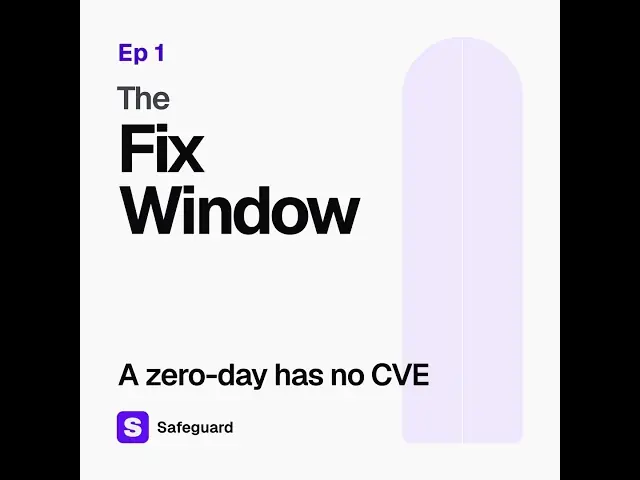
A zero-day has no CVE record, no advisory and usually no fix, so a scanner that only matches your software against public feeds has nothing to match. Mira and Cal walk through why, using the September 2023 libwebp heap overflow: exploited in a zero-click spyware chain before any…
Read the full postHide the full post
A zero-day has no CVE record, no advisory and usually no fix, so a scanner that only matches your software against public feeds has nothing to match. Mira and Cal walk through why, using the September 2023 libwebp heap overflow: exploited in a zero-click spyware chain before any CVE existed, first filed as a Chrome bug, later rescored from high to critical, and buried inside browsers, Electron apps and mobile apps that many teams did not know they shipped. Then the practical part. How to detect what nobody has catalogued (static analysis with dataflow for your own code, a validated research pipeline for open source), how to rank a finding with no exploit score, why the fix should be a tested pull request that ships switched off until you turn it on, and what to do when upstream has no fix at all. Theo answers how to justify dropping everything for a zero-day, and the episode ends with six things a team can do this week. If you triage vulnerabilities for a living, this is a plain-English look at zero-day vulnerability management: why CVE and KEV based patching, SBOM matching and scanning miss an exploit nobody has catalogued yet, how to prioritise a vulnerability without an exploit score (EPSS and reachability analysis), and how remediation can ship as a tested fix for open source dependencies without waiting for upstream. Written for AppSec, DevSecOps and platform teams working on software supply chain security. Chapters 00:00 Cold open 00:32 Intro 01:01 The incident: why a zero-day leaves scanners blind 05:48 Deep dive: the loop, and fixing without waiting for upstream 12:36 Practitioner corner 13:48 Fix it this week 15:32 Outro Sources (published Safeguard research) Autonomous Novel Vulnerability Detection and Elimination at Scale (the episode's main guide): https://safeguard.sh/resources/blog/autonomous-novel-vulnerability-detection-and-elimination-at-scale-zero-day-discovery-autonomous-remediation-and-gold-open-source?utm_source=podcast&utm_medium=audio&utm_campaign=the-fix-window&utm_content=ep01 libwebp heap buffer overflow zero-day (CVE-2023-4863): https://safeguard.sh/resources/blog/libwebp-heap-buffer-overflow-zero-day-cve-2023-4863?utm_source=podcast&utm_medium=audio&utm_campaign=the-fix-window&utm_content=ep01 CVE-2023-4863: The libwebp Zero-Day That Hit Chrome and More: https://safeguard.sh/resources/blog/cve-2023-4863-the-libwebp-zero-day-explained?utm_source=podcast&utm_medium=audio&utm_campaign=the-fix-window&utm_content=ep01 When Upstream Won't Fix It: Fork and Patch, Explained Honestly: https://safeguard.sh/resources/blog/fork-and-patch-vulnerable-packages?utm_source=podcast&utm_medium=audio&utm_campaign=the-fix-window&utm_content=ep01 Links Safeguard: https://safeguard.sh/?utm_source=podcast&utm_medium=audio&utm_campaign=the-fix-window&utm_content=ep01 Gold Open Source (free, no login): https://gold.safeguard.sh/?utm_source=podcast&utm_medium=audio&utm_campaign=the-fix-window&utm_content=ep01 Safeguard blog: https://safeguard.sh/blog?utm_source=podcast&utm_medium=audio&utm_campaign=the-fix-window&utm_content=ep01 More episodes: https://open.spotify.com/show/03400iIvo19RZbfRDfPECc The script was written by the Safeguard team and checked against our published research. Learn more at safeguard.sh. Topics: zero-day vulnerability, CVE-2023-4863, libwebp, WebP, Chrome, Electron, heap buffer overflow, zero-click exploit, spyware, Citizen Lab, CISA KEV, NIST NVD, vulnerability management, vulnerability prioritisation, remediation, fork and patch, SBOM, SCA, static analysis, open source security, software supply chain security, AppSec, DevSecOps, EPSS, reachability analysis, Safeguard Gold.
 YouTubeVideo
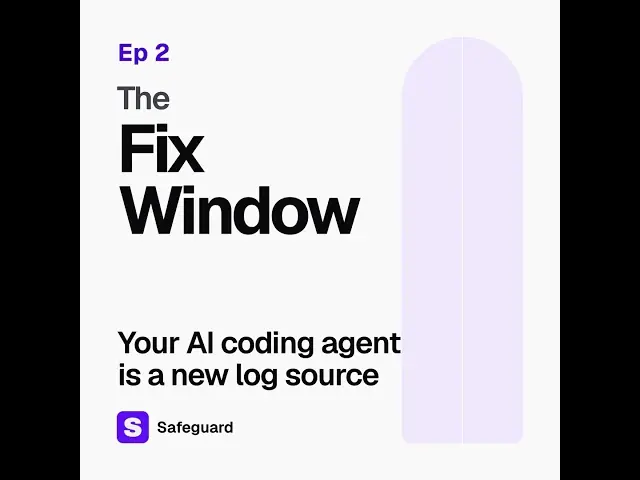
In August 2025, malicious releases of the nx build tool on npm ran a postinstall script that looked for AI coding CLIs on the developer's machine, launched them with their permission bypass flags, and asked them to hunt for wallets, SSH keys, .env files and credentials. The agen…
Read the full postHide the full post
In August 2025, malicious releases of the nx build tool on npm ran a postinstall script that looked for AI coding CLIs on the developer's machine, launched them with their permission bypass flags, and asked them to hunt for wallets, SSH keys, .env files and credentials. The agents did what their flags allowed, and unless someone had turned on the agents' telemetry, there was no central record of what they were told or what they ran. Mira and Cal walk through the incident and why a process list alone can't tell an agent's work from an intruder's. Then the practical part for platform engineers and AppSec leads: what a coding agent actually does on a developer machine, what OpenTelemetry and OTLP are in plain words, which Claude Code and Codex events matter (tool decisions, and whether a person or a setting approved them), why prompt text should stay out by default, how managed settings stop developers redirecting telemetry, and how to stream it, plus Claude organization activity, into one place that someone reviews. Theo answers which agent actions to log at all, and the episode ends with five things to do this week. For platform engineers and AppSec teams worried about AI coding agent security: how Claude Code and Codex activity becomes an audit trail through OpenTelemetry (OTLP), what to watch when a malicious npm package abuses agent permissions, how MCP and managed settings fit in, and how to review agent activity for compliance and incident response. Chapters 00:00 Cold open 00:31 Intro 01:06 The incident: malware that put the coding agent to work 04:49 Deep dive: agent telemetry, from the laptop to a reviewer 12:35 Practitioner corner 13:38 Fix it this week 15:20 Outro Sources (published Safeguard research) Send Claude Code and Codex telemetry to Safeguard with OpenTelemetry (OTLP) (the episode's main guide): https://safeguard.sh/resources/blog/send-claude-code-and-codex-telemetry-to-safeguard-with-opentelemetry-otlp?utm_source=podcast&utm_medium=audio&utm_campaign=the-fix-window&utm_content=ep02 Stream Claude audit and compliance activity into Safeguard: https://safeguard.sh/resources/blog/stream-claude-audit-and-compliance-activity-into-safeguard?utm_source=podcast&utm_medium=audio&utm_campaign=the-fix-window&utm_content=ep02 Find and connect Safeguard from the official MCP Registry: verify the publisher and connect your assistant: https://safeguard.sh/resources/blog/find-and-connect-safeguard-from-the-official-mcp-registry-verify-the-publisher-and-connect-your-assistant?utm_source=podcast&utm_medium=audio&utm_campaign=the-fix-window&utm_content=ep02 Safeguard MCP and frontier AI integrations: https://safeguard.sh/mcp?utm_source=podcast&utm_medium=audio&utm_campaign=the-fix-window&utm_content=ep02 Nx npm package AI coding agent weaponization: https://safeguard.sh/resources/blog/nx-npm-package-ai-coding-agent-weaponization?utm_source=podcast&utm_medium=audio&utm_campaign=the-fix-window&utm_content=ep02 Nx build system s1ngularity supply chain attack (2025): https://safeguard.sh/resources/blog/nx-build-system-s1ngularity-supply-chain-attack-2025?utm_source=podcast&utm_medium=audio&utm_campaign=the-fix-window&utm_content=ep02 Links Safeguard: https://safeguard.sh/?utm_source=podcast&utm_medium=audio&utm_campaign=the-fix-window&utm_content=ep02 More episodes: https://open.spotify.com/show/03400iIvo19RZbfRDfPECc The script was written by the Safeguard team and checked against our published research. Learn more at safeguard.sh. Topics: AI coding agents, Claude Code, Codex, OpenTelemetry, OTLP, MCP, MCP security, nx npm supply chain attack, malicious npm package, postinstall script, agent permissions, credential theft, audit trail, incident response, DevSecOps, agent security.
 YouTubeVideo
28 October: Node 26 moves to LTS, and Node 27 starts its Alpha phase. A good day to check which Node line every service runs. Node 20 ended on 30 April 2026. Node 22 ends on 30 April 2027. The 21 October 2026 security release covered 26.x, 24.x and 22.x. Release history, LTS lin…
Read the full postHide the full post
28 October: Node 26 moves to LTS, and Node 27 starts its Alpha phase. A good day to check which Node line every service runs. Node 20 ended on 30 April 2026. Node 22 ends on 30 April 2027. The 21 October 2026 security release covered 26.x, 24.x and 22.x. Release history, LTS lines and security releases: https://na2.hubs.ly/H08ChfL0 Dates as of 26 Oct 2026, from the Node Release working group and https://na2.hubs.ly/H08ChfM0. #NodeJS #AppSec #Shorts
- YouTubeVideo
A verified name in the official MCP Registry proves who published the record. It does not prove who runs the endpoint, or that the server is safe. Safeguard is listed as http://sh.safeguard/safeguard, and this Short runs the four checks against our own listing: pick by name, not…
Read the full postHide the full post
A verified name in the official MCP Registry proves who published the record. It does not prove who runs the endpoint, or that the server is safe. Safeguard is listed as http://sh.safeguard/safeguard, and this Short runs the four checks against our own listing: pick by name, not title; reverse the namespace; match the endpoint to the vendor's docs; and never install a package for a hosted server. Full walkthrough with every command: https://na2.hubs.ly/H08C0dK0 #Shorts #MCP #AppSec
 YouTubeVideo
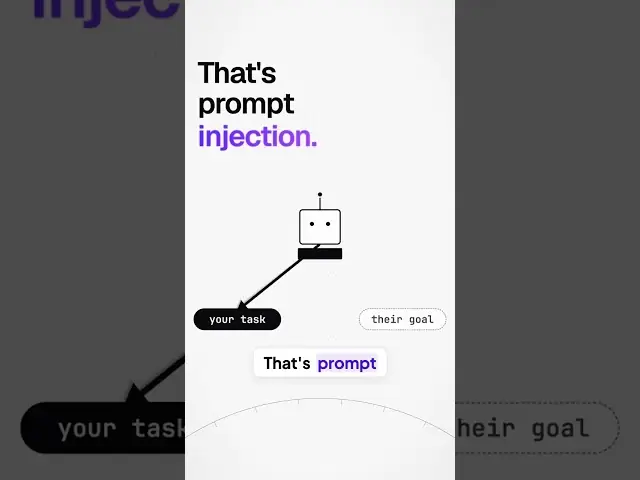
Your brain holds about four chunks at once. Some AI models hold a million tokens, word for word, and instructions and data share one channel. Full post: https://na2.hubs.ly/H08C05j0 In 40 seconds: why anything in an LLM's context window can steer an agent (prompt injection, indi…
Read the full postHide the full post
Your brain holds about four chunks at once. Some AI models hold a million tokens, word for word, and instructions and data share one channel. Full post: https://na2.hubs.ly/H08C05j0 In 40 seconds: why anything in an LLM's context window can steer an agent (prompt injection, indirect prompt injection through retrieved pages, tool results and MCP servers), and the two controls that matter most: know what feeds the context, and narrow what each agent is allowed to do. Sources cited in the post include Cowan (2001) on working memory, Liu et al. (2023) "Lost in the Middle", and the OWASP Top 10 for LLM Applications (LLM01: prompt injection). #Shorts #AISecurity #PromptInjection #LLM
 YouTubeVideo
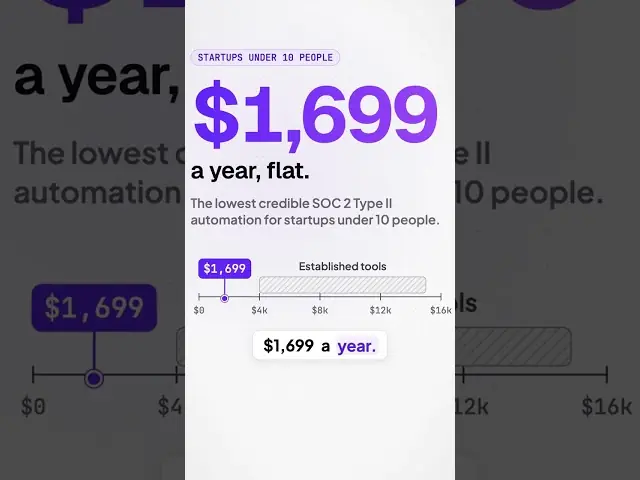
Your first big customer asks for a SOC 2 Type II report. Established compliance tools start around $4,000 to $15,000 a year. For startups under 10 people, Safeguard's SOC 2 Type II automation is $1,699 a year, flat, and the same plan covers application and supply chain security.…
Read the full postHide the full post
Your first big customer asks for a SOC 2 Type II report. Established compliance tools start around $4,000 to $15,000 a year. For startups under 10 people, Safeguard's SOC 2 Type II automation is $1,699 a year, flat, and the same plan covers application and supply chain security. Audit fees are separate. The rate applies to startups under 10 people. Pricing: https://na2.hubs.ly/H08C02j0 #SOC2 #Startups #Compliance
 YouTubeVideo
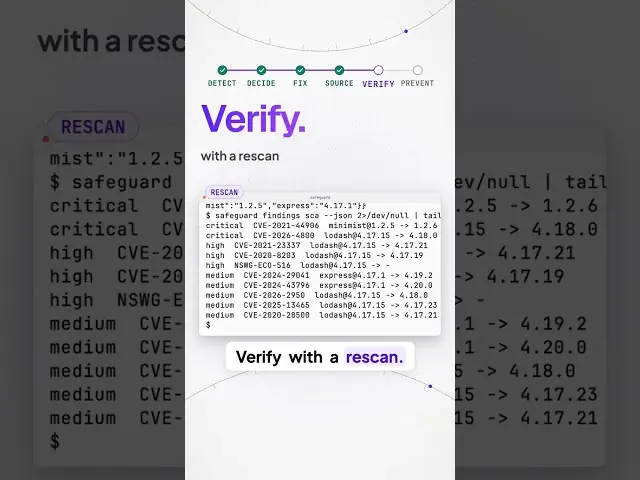
A Zero Day has no CVE, no advisory and usually no fix, so a scanner that only matches public feeds has nothing to match. This Short walks the loop that handles it: detect, decide, fix, source a safe component, verify, prevent. Full guide: https://na2.hubs.ly/H08B-RX0 Covered: SA…
Read the full postHide the full post
A Zero Day has no CVE, no advisory and usually no fix, so a scanner that only matches public feeds has nothing to match. This Short walks the loop that handles it: detect, decide, fix, source a safe component, verify, prevent. Full guide: https://na2.hubs.ly/H08B-RX0 Covered: SAST and SCA for detection, reachability analysis with EPSS and KEV for prioritization, policy gates, automated remediation as a tested pull request, a safe version from Gold Open Source (free, no login), rescan to verify, and prevention in the IDE, at install time and in the CI gate. Autonomous remediation in Safeguard ships switched off until an admin turns it on. #Shorts #AppSec #ZeroDay
 YouTubeVideo
OpenCode Console Breach: Rotate Your OpenAI, Anthropic and Google Keys https://na2.hubs.ly/H08s4tX0
Read the full postHide the full post
OpenCode Console Breach: Rotate Your OpenAI, Anthropic and Google Keys https://na2.hubs.ly/H08s4tX0
 YouTubeVideo
 YouTubeVideo
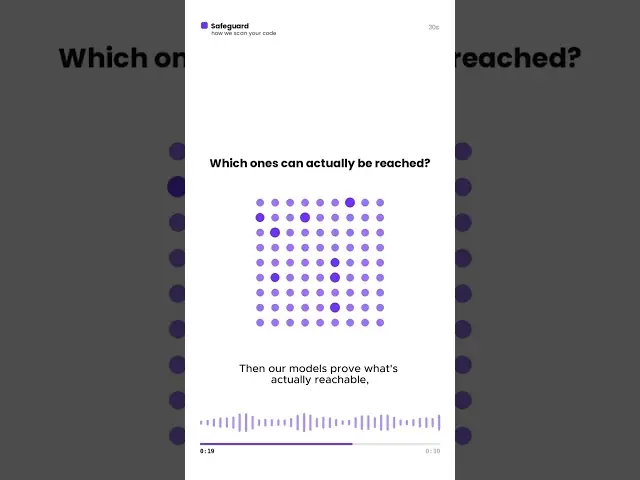
Every dev team knows the feeling. The security scan comes back with thousands of issues and nobody knows where to start. Here's the thing: most of those issues sit in code your app never touches. Safeguard scans your code and dependencies, works out what's actually reachable, an…
Read the full postHide the full post
Every dev team knows the feeling. The security scan comes back with thousands of issues and nobody knows where to start. Here's the thing: most of those issues sit in code your app never touches. Safeguard scans your code and dependencies, works out what's actually reachable, and opens a tested fix for the ones that matter. Your team just reviews and merges. Less noise. Real fixes. 🔒 Link in bio to see it run on your code. #AppSec #DevSecOps #CyberSecurity #SoftwareDevelopment #DevLife #CodeSecurity #TechStartup #Developers
 YouTubeVideo
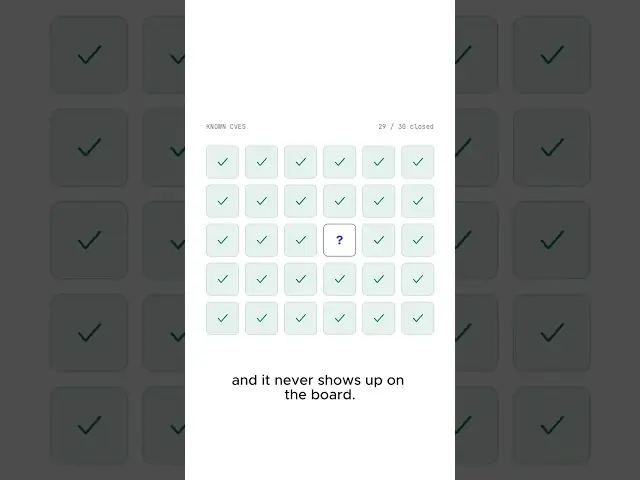
Your CVE dashboard is all green. That’s the part that should worry you. Closing every known CVE proves you handled the vulnerabilities that already have a name. A zero-day is the one that doesn’t, so it never shows up on the board you hand the auditor. When a customer’s security…
Read the full postHide the full post
Your CVE dashboard is all green. That’s the part that should worry you. Closing every known CVE proves you handled the vulnerabilities that already have a name. A zero-day is the one that doesn’t, so it never shows up on the board you hand the auditor. When a customer’s security review or a regulator asks how you handle the unknown, “we scan for CVEs” isn’t an answer. Safeguard finds zero-days before they’re public, proves which ones are actually reachable, and gives you both the fix and the evidence. Coverage complete, before the CVE exists. 30-second version below. See where you’re exposed. Book a demo.
 YouTubeVideo
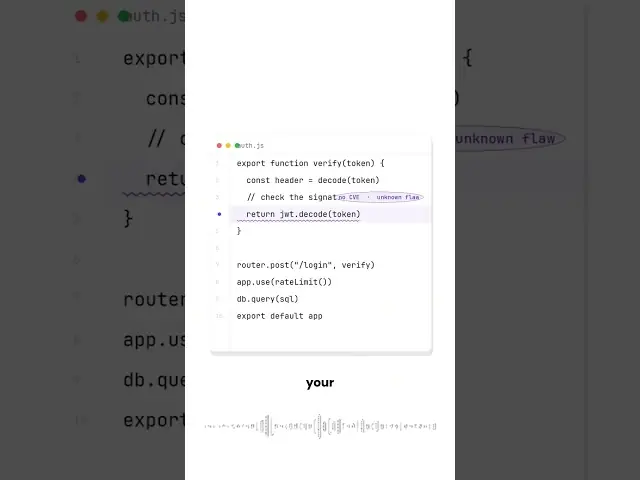
Your team ships more code every week. Your scanner only knows last year’s CVEs. A scanner matches known vulnerabilities. But the one that actually hurts, the flaw an AI just wrote into your codebase, doesn’t have a CVE yet. No advisory, no signature, nothing to match. So we buil…
Read the full postHide the full post
Your team ships more code every week. Your scanner only knows last year’s CVEs. A scanner matches known vulnerabilities. But the one that actually hurts, the flaw an AI just wrote into your codebase, doesn’t have a CVE yet. No advisory, no signature, nothing to match. So we built Safeguard to find the zero-day in your own code and dependencies, prove it’s actually reachable so you’re not chasing noise, then open the tested fix as a pull request your team can review. Review it, merge it, keep shipping. 30-second version below. Want it pointed at your repo? Book a demo.
 YouTubeVideo
That notification badge you’ve been ignoring for three weeks is doing more work than you think. The scariest bugs in your software aren’t the ones with a CVE and a patch waiting. They’re the ones nobody’s named yet, quietly worth more on the open market than most engineers make…
Read the full postHide the full post
That notification badge you’ve been ignoring for three weeks is doing more work than you think. The scariest bugs in your software aren’t the ones with a CVE and a patch waiting. They’re the ones nobody’s named yet, quietly worth more on the open market than most engineers make in a decade, sitting in code someone shipped and forgot.
 YouTubeVideo
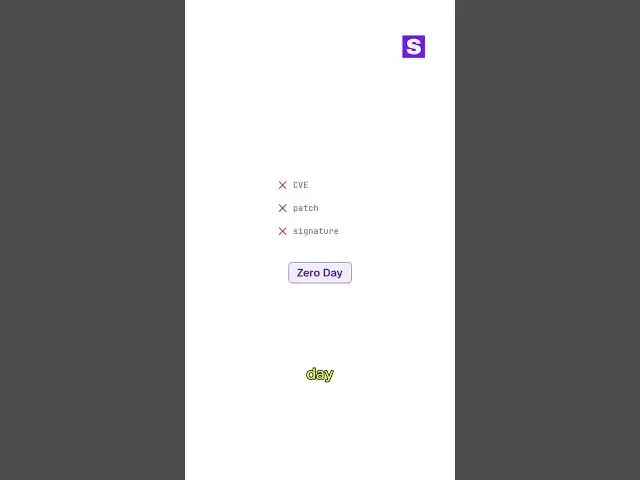
No CVE means no patch, no advisory, and nothing for a scanner to match against. That’s a zero-day, and it’s already sitting in your dependencies. So we built Safeguard to find the flaw before the CVE exists, prove it’s actually reachable in your code so you’re not chasing noise,…
Read the full postHide the full post
No CVE means no patch, no advisory, and nothing for a scanner to match against. That’s a zero-day, and it’s already sitting in your dependencies. So we built Safeguard to find the flaw before the CVE exists, prove it’s actually reachable in your code so you’re not chasing noise, then hand your team the fix as a pull request they can review. 30-second version below. Want it pointed at your code? Book a demo: https://na2.hubs.ly/H080NK80 vulnerability that gets you won’t have a CVE yet.
 YouTubeVideo
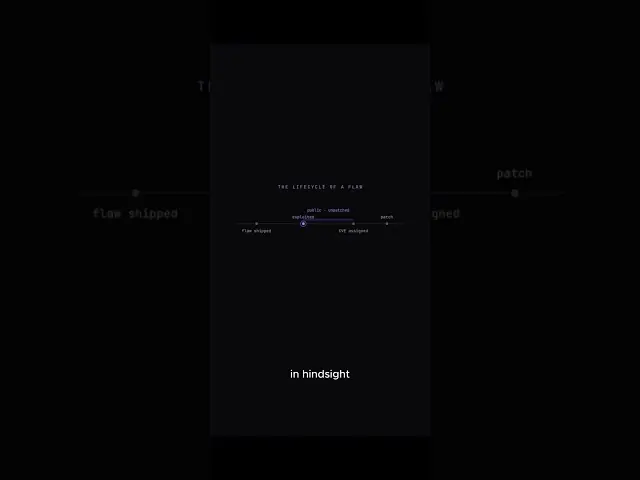
A CVE is a lagging indicator. By the time a flaw has a name, it’s public, and you’re patching in hindsight. Short video on the part that actually matters: finding the vulnerability before it’s named. Proving it’s reachable, so you fix what counts, not noise. Then shipping the fi…
Read the full postHide the full post
A CVE is a lagging indicator. By the time a flaw has a name, it’s public, and you’re patching in hindsight. Short video on the part that actually matters: finding the vulnerability before it’s named. Proving it’s reachable, so you fix what counts, not noise. Then shipping the fix as a pull request your team can review, not one more ticket. Same for the code your models write and the MCP servers they call. Want it pointed at your code? Book a demo.
 YouTubeVideo
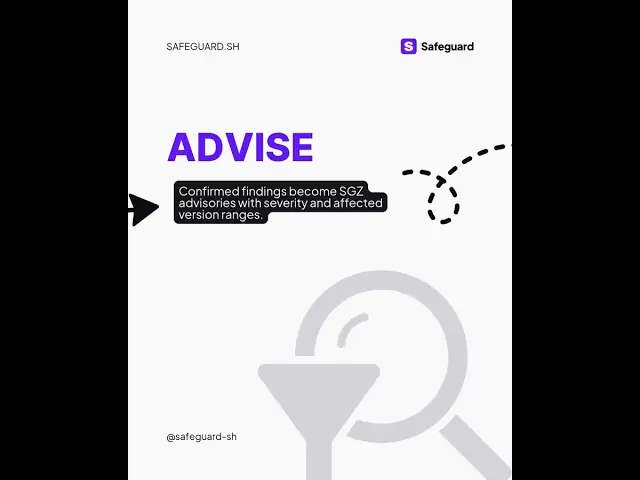
A long list of findings can look impressive, but what really matters is knowing which ones are actually worth fixing. Safeguard challenges findings and proposed fixes before they move forward, helping cut through the noise and give your team more confidence in what needs attenti…
Read the full postHide the full post
A long list of findings can look impressive, but what really matters is knowing which ones are actually worth fixing. Safeguard challenges findings and proposed fixes before they move forward, helping cut through the noise and give your team more confidence in what needs attention. Less noise, more actionable work. #safeguard
 YouTubeVideo
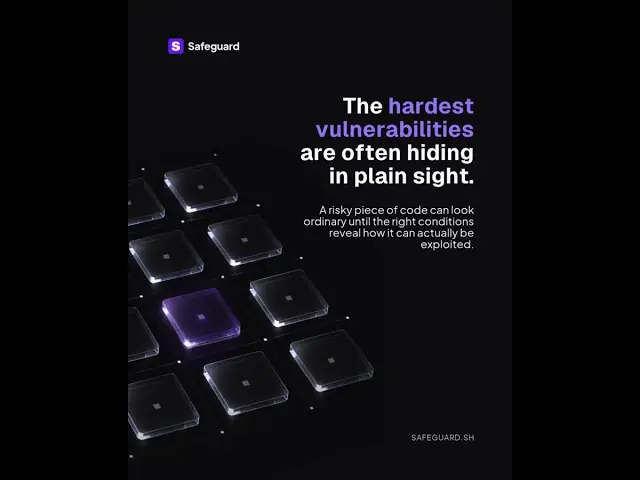
Some vulnerabilities don’t look dangerous at first. They can sit quietly in perfectly normal-looking code until the right conditions turn them into something exploitable. That’s why finding the unusual paths matters, not just checking for what we already know. #safeguard
 YouTubeVideo
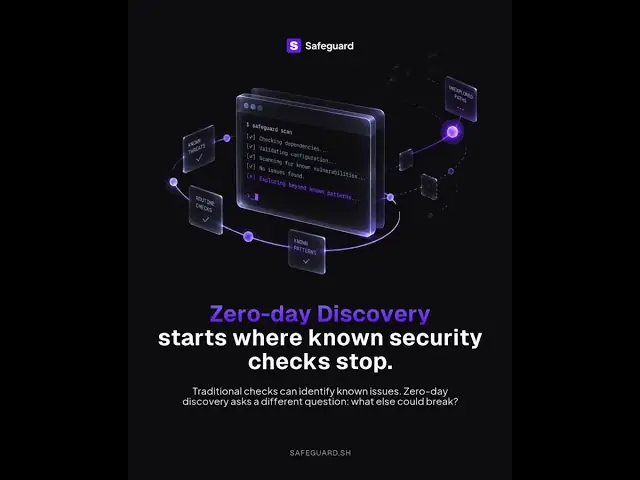
We know checking for known vulnerabilities is important. But what about the ones nobody has found yet? Safeguard looks beyond known CVEs to help uncover weaknesses in your code before they become publicly known. Because sometimes, the biggest risk is the one no one is looking fo…
Read the full postHide the full post
We know checking for known vulnerabilities is important. But what about the ones nobody has found yet? Safeguard looks beyond known CVEs to help uncover weaknesses in your code before they become publicly known. Because sometimes, the biggest risk is the one no one is looking for yet. #safeguard
Follow Safeguard

Self-healing security runs on Safeguard.
Your first fix PR is minutes away.
No sales call required, even your agent can complete the purchase over MCP.